Water Damage Restoration in Antelope Hills
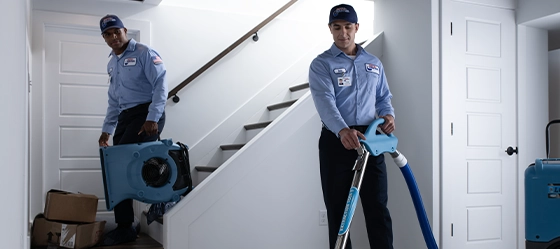
Once a plumbing leak stops, water may still remain in flooring, walls and other materials. Roto-Rooter provides water damage restoration in Antelope Hills, including assessment, water removal and drying for affected areas. Explain whether water is still entering the space so source control and cleanup can be considered together.
Call 951-216-3464 or request water damage restoration service online.
Stopping the Leak Is One Part of Recovery
Repairing the plumbing source does not by itself dry the surrounding materials. The restoration assessment considers the water involved, the affected area and the condition of materials. Those findings guide what can be dried and what may need removal.
Describe when water was discovered and the rooms involved. Water may affect adjacent materials beyond the first wet surface, so the restoration assessment needs to establish the extent. You can request help before the full source or damage is known.
Explain if the water came from a supply leak, a drain backup or outside, when known. Those sources can involve different cleanup considerations. Do not disturb wet walls or flooring to investigate, and stay clear of wastewater or water near electrical equipment.
Serving Antelope Hills and surrounding communities, Including:
Counties in the Antelope Hills Area
Define the Areas Included in Restoration
The proposed work should describe the rooms, materials and contents being addressed. Extracting standing water, drying retained materials and later repairing finishes are different parts of recovery. Clarify what is included rather than assuming a drying service completes every building repair.
Material condition and the water involved influence what can be retained. The assessment should precede decisions about removing or keeping affected items.
Identify who can provide access and approve the work, including shared spaces or locked rooms. Leave unsafe areas alone instead of moving wet equipment or pulling materials apart to prepare for a visit.

Water Damage Restoration Services in Antelope Hills
Arrange Water Damage Help in Antelope Hills

SPECIAL FINANCING AVAILABLE
We have partnered with Synchrony Bank to offer financing options to make your plumbing repair expenses as convenient and stress-free as possible.